The Gulf brings beauty and punishment in equal measure. In New Orleans, paint lives hard. Humidity hovers near year round saturation, ultraviolet beats even on mild days, road film bakes in, and the occasional salt mist rides in on a breeze from the lake. Add lovebugs, oak pollen, and parade debris, and the result paint correction New Orleans Kleentech Detailing LLC is a constant assault on clear coat. Traditional wax can help, but it fades fast under this load. Ceramic coating changes that equation in ways you can see and feel every time you wash the car.
What a ceramic coating actually is, and why it behaves differently than wax
Wax sits on top of paint as a soft sacrificial layer. It fills micro-scratches and improves gloss, then it slowly oxidizes and washes away. In our climate, most consumer waxes give four to eight weeks of decent water beading before they taper off. Some durable pastes last a bit longer, but heat and daily rainstorms always win.
A true ceramic coating uses a silica based chemistry that cures into a thin, hard film at the molecular level. Think of it as a flexible glass network that anchors to the clear coat. It is not bulletproof or infinitely thick, but even a few microns of a well formulated ceramic changes surface energy and abrasion resistance in meaningful ways. Water tries to leave the panel, dirt struggles to stick, and wash induced marring drops when you follow good technique.
Professional ceramic coating New Orleans installers have learned to select formulas that tolerate high humidity during application and cure to full hardness even when the weather misbehaves. That detail matters here. A coating that flashes too slowly can attract dust or streak. One that flashes too quickly in summer heat can high spot. The right product and process make the difference between years of gloss and a weekend of frustration.
Why longevity stretches in New Orleans, not shrinks
At first pass, you might assume our hot, wet, UV heavy environment would shorten the life of any protection. For wax, that is true. For ceramics, the story changes because of how they repel contamination and resist chemicals. When rain leaves behind minerals, those minerals do less harm if they slide off quickly. When you wash, you need less agitation to lift film. The paint stays cleaner at rest, which means the coating spends less of its life battling embedded grime and more of it simply being a barrier.
Expectations grounded in shop experience help. We see consumer grade spray ceramics provide six to nine months of high performance when maintained well. Entry professional coatings often deliver two to three years of real protection with proper wash habits. Multi layer pro systems can push four to six years, sometimes more on garaged vehicles. That span reflects daily use, how often the vehicle parks under trees, the amount of highway miles, and whether the owner follows a sane maintenance plan. There is no magic number, but the contrast with wax is not subtle. A single August of daily driving will erase the best carnauba shine. A ceramic system will shrug and keep beading through Carnival and hurricane season.
Prep work is where the battle is won
Ceramic is transparent. It locks in what it sees. If the paint has swirls, water spots, or micro-etching from bird droppings, the coating will preserve those defects just as efficiently as it preserves gloss. Serious auto detailing New Orleans shops treat paint correction as the cornerstone of any long term protection.
Paint correction New Orleans work ranges from a one step polish that lifts haze and light swirls, to multi step compounding and refining on neglected finishes. On soft black paint that picks up towel marks if you look at it wrong, a shop will adjust pad and polish combinations, and measure paint thickness so they remove as little clear coat as possible. On harder German clear coats, they might lean into a more aggressive first cut to chase deeper defects. Gelcoat on boats brings its own quirks. It is thicker and more porous, which means oxidation sits deep and requires a different approach before a marine ceramic locks down the surface.
Surface preparation also includes decontamination. Clay or synthetic mitts shear off bonded contaminants. Iron removers dissolve ferrous fallout. Panels are then stripped of polishing oils to ensure the coating bonds to the paint, not a residue that will evaporate and leave weak adhesion. In our humidity, panel wipe choices and timing matter. Done right, bond strength jumps, high spots minimize, and the end result looks like it has depth, not just gloss.
Kleentech Detailing LLC: how a local process adapts to local weather
On a typical summer morning, the crew at Kleentech Detailing LLC staggers the work to match temperature and humidity swings. Vehicles that need heavier compounding get pulled inside early, when panels are cool and polishing dust stays under control. As the day warms up, they shift to refining and panel prep so the coating can be applied during a predictable window. Lights with high color accuracy reveal micro-marring that sunlight hides. That is not cosmetics for social media, it is a working method that reduces redo time and prevents high spots.
Mobile detailing New Orleans has its place, but coating application favors a controlled bay. Even small breezes push lint onto a tacky panel. At Kleentech Detailing LLC, a filtered airflow setup and clean towels kept in sealed bins avoid the trap of chasing debris in the final wipe. In a city where an afternoon squall can appear out of nowhere, they also monitor cure conditions. Some ceramic formulas prefer a forced air cure or infrared lamp heat to build hardness early. That early hardness is handy when a stray rain droplet lands on a hood within hours of application. The detail everyone forgets is the first wash. A shop that hands you a maintenance plan with products that match the coating chemistry does you a greater favor than a lobby glittering with trophies.
A day in the life examples from the Gulf
A black F 150 that spends weekdays on the Causeway and weekends at the camp came in peppered with wash marring and faint water spots. The owner had been diligent with wax every other month, but the truck still looked tired after a year. The correction took two steps in most areas, with a third localized pass on the hood where etching had started. After a decon and panel wipe, we laid a mid tier pro ceramic. The truck returned six months later for a checkup. Water beaded like day one. The owner noticed that wash time fell by a third and drying towels stayed cleaner because less grime clung to the paint.
A family SUV that worked parade duty had glitter in every crevice and adhesive residue from temporary graphics. Vinyl wrapping New Orleans is fun, but the removal can leave ghosting if rushed. The detail was patient: citrus adhesive removers, a gentle polish to recover clarity, then a ceramic that tolerates frequent touchless washes. Parade season added scuffs on the bumper caps that no coating can stop, but the paint stayed bright and easy to clean after each event.
On the water, a 23 foot bay boat spent its life between brackish canals and open runs. The gelcoat chalked each summer and the owner got tired of the cycle. Boat ceramic coating New Orleans works if the prep erases oxidation. That took a rotary, a heavy cut compound, and a long refining window. A marine grade ceramic sealed the hull. Dock rash still left marks, but slime rinsed off with a hose after launch, and water spotting on the console eased up noticeably.
An RV that parks under oaks faced tannin drips and sap peppering the roof and awnings. RV detailing New Orleans is part cleaning marathon, part safety exercise. Once clean and prepped, a high slickness ceramic on the front cap and leading edges kept bug remains from baking into a permanent stain during interstate runs. Sidewalls stayed cleaner between trips, which mattered because the owner could only wash at storage once a month.
Wax vs ceramic vs film: different tools, different jobs
You can think of protection able to move on a spectrum of thickness and function. Wax is thin and soft. Ceramic is thin and hard. Film is thick and self-healing. That leads to different strengths.
- Wax: best used when you enjoy frequent upkeep and want a warm glow. Short lifespan in New Orleans, weeks to a couple of months. Ceramic coating: enhances gloss, adds hydrophobicity, improves wash safety, resists chemicals. Lifespan from many months to years with upkeep. Paint protection film: physical shield against chips, heavy abrasion, and parking scuffs. Often combined with ceramic on top.
Paint protection film New Orleans has matured. Modern films yellow less, edges stay cleaner, and installers have better patterns. If your commute includes gravel and you keep a tight following distance, PPF New Orleans on the front bumper, hood leading edge, mirrors, and trunk lip saves paint. A ceramic stacked over film reduces surface scuffs and makes bug removal easier. The inverse does not work. A coating cannot stop a rock from chipping paint at highway speed. Matching the tool to the job keeps expectations honest.
Window tinting New Orleans is part of the picture. While tint does not protect paint, it reduces cabin heat and UV exposure on interior surfaces, and it makes living with a black leather interior bearable in July. Many owners pair tint, PPF, and ceramic to build a holistic protection package that keeps both the exterior and interior aging gracefully.
What daily life looks like after a coating
The biggest change owners report is wash behavior. Rinse, foam, and a gentle pass with a high pile mitt is enough for most weeks. Brake dust and road film still exist, but they show up less and clean faster. Drying is far easier. Water pools instead of clinging, so a single towel can handle what used to take three.
Maintenance boosters help. Most pro systems like a compatible spray sealant or topper every three to six months. These do not replace the coating. They refresh slickness and beading as the surface collects microscopic contamination over time. Decontamination washes with an iron remover once or twice a year keep the coating breathing and lively.

Here is a simple upkeep rhythm that works in our climate:
- Weekly or biweekly wash with a pH neutral soap, two buckets, and clean mitts. Dry with a clean microfiber towel or a blower to reduce towel contact. Every 3 to 6 months, apply the coating maker’s spray topper after a wash. Every 6 to 12 months, perform a decon wash with an iron remover and a light clay if needed.
With that plan, you preserve the coating’s core performance while keeping the clear coat out of the swirl cycle that haunts neglected finishes.
Not a magic shield: limits and tradeoffs
Hard truths build trust. Ceramic does not stop rock chips. It does not prevent door dings. It will not make matte paint glossy. It can reduce the appearance of very light washing marks, but it is not a fix for poor technique. If a towel is dirty or a brush slaps grit around, the coating will take the beating that used to hit your clear coat, and it will eventually show it.
Water spots still form if hard water dries on hot panels. The difference is that mild spots clean more easily and severe etching bites the coating before it reaches the paint. Acidic droppings from birds or insects can etch if they sit in sun for days. You still need to remove them promptly. The coating buys you a wider safety margin, not immunity.
Older single stage paint and repainted panels deserve careful evaluation. Single stage can load up a polishing pad and smear if rushed. Fresh paint from a body shop often needs weeks to outgas solvents. Coating it too early can trap those solvents and cause issues. Shops that know these pitfalls will delay application, or will coat adjacent factory panels and bring you back later for the repaired area.
How Kleentech Detailing LLC approaches edge cases
The team at Kleentech Detailing LLC has turned away cars that were not ready to be coated. That is not lost revenue, it is the right call when a bumper has fresh paint or when the owner needs collision correction first. They document the reasons, explain the risks, and bring the client into the decision. On oxidized single stage red, they tested a small spot first, measured paint, and set expectations that deep defects would remain because chasing them would remove too much material. The result still delighted the owner because the gloss leap was dramatic, and the ceramic slowed the return of oxidation after the correction.
On boats, they adjust to gelcoat porosity. A single coat can disappear into thirsty surfaces. Two or three heavier marine layers with adequate cure time anchor the protection. On an aluminum skiff, they avoided a ceramic on raw aluminum where water spotting would become visible and frustrating, and instead focused the coating on painted consoles and topsides that benefit most from hydrophobics.
Pairing ceramic with other services in New Orleans
Car detailing New Orleans usually starts with a thorough interior clean, stain treatment, and vent dusting because summers load cabins with humidity and allergens. While the focus here is paint, living with a coated car is more enjoyable when the rest of the vehicle feels fresh. Window tinting New Orleans complements that by cutting glare that robs eyes during Canal Street sunbursts after a shower.
Vinyl wrapping New Orleans intersects with coatings in a specific way. You do not coat matte or satin films with a gloss ceramic that can change sheen. Some purpose designed ceramics work over wraps to improve cleanability without altering appearance. Edges, seams, and decals need gentle care during prep. Experienced installers know to protect cut lines and avoid swelling vinyl with the wrong solvents.
For enthusiasts who want the strongest exterior armor, film on strike zones and a ceramic everywhere else remain the benchmark. A common recipe: PPF New Orleans on the front bumper, edge of the hood, mirror caps, A pillars, and rocker panels. Ceramic on all painted areas and wheels. Glass ceramic on the windshield to improve wet weather visibility and make bug removal easier.
Picking an installer you can trust
Ceramic is a craft as much as a product. A strong local reputation matters more than a label. When you visit a shop, notice whether they measure paint before they polish. Look for lighting that reveals swirls, not mood lighting for photos. Ask how they manage humidity during application and cure in July. Do they explain warranty terms clearly, including what maintenance you must follow for claims to hold? Do they document high spot removal and give you a first wash date?
Training and product pedigree have weight, but results and process carry more. Some of the best work in ceramic coating New Orleans comes from shops that also do paint protection film New Orleans daily. Film teaches an installer to be patient with edges, to chase specks before sealing them, and to respect the clock. That mindset carries over to ceramic and shows in the finish.
What to expect from a day with Kleentech Detailing LLC
The check in includes a walkaround, paint gauge readings, and a discussion about where the car lives and how it is washed today. They note prior repairs, thin panels, and places that will not be corrected aggressively. Wheels and wells get cleaned first to prevent splatter on clean paint later. A foaming prewash lifts grit before contact. Decon follows, including iron remover where brake dust collects most on quarters and hatch areas.
Correction proceeds panel by panel. Test spots determine the mildest combo that achieves the goal. Trim gets masked to avoid staining. After polishing, the vehicle is blown out to chase dust from crevices. Panels are wiped with a controlled solvent mix that suits the coating chemistry. Coating is leveled in sections, often hood and roof first because they are most visible and easiest to inspect under fixed lighting. High spots are caught in the flash window, not hours later, to avoid rework. Once complete, the car cures indoors. If the forecast threatens, infrared lamps accelerate early set. A handoff includes a short demo of wash technique and a small kit matched to the coating.
That rhythm does not feel rushed because it is not. A single step correction with coating can occupy most of a day. A multi step correction, wheels off detail, and a wheel coating stretches to two. Quality takes the time it needs.
The numbers that help you decide
If you hand wax every eight weeks, that means six to seven sessions a year. Each session might take two hours if you are efficient and keep the tools clean. That is roughly 12 to 15 hours annually. Over three years, you invest 36 to 45 hours just in waxing, not including extra washes needed because waxed cars collect film faster. A professional ceramic flips that labor into up front prep and application time at the shop, then saves you half an hour per wash and trims the need for occasional heavy cleans. That time savings grows if you maintain multiple vehicles.
Cost varies widely with vehicle size, paint condition, and product tier. A small hatchback in excellent condition might slot into the low end of a pro ceramic price band. A full size SUV with heavy correction will sit higher. Boats and RVs multiply the surface area and change the chemistry, so they occupy a separate range entirely. If someone quotes a one size price, they likely are not inspecting closely.
Durability ranges tie directly to maintenance and environment. A garaged sedan that sees weekend drives may enjoy five years of strong performance from a top tier system. A daily driven truck that parks outside at work and under trees at home may get two to three years before a light polish and recoat returns peak gloss. These are not marketing promises. They are observations from vehicles that cycle through shops for wash plans, toppers, and inspections.
Where ceramic stops, film begins, and wax still has a place
There is room for all three. A track car that eats rubber marbles on its quarters benefits from PPF, because those marbles sling hot and stick hard. A gloss obsessed coupe that sees careful weekend use shines under a ceramic, where its owner appreciates the sharp reflections and quick cleanup after a lake run. A classic with delicate single stage that you hand wax in the garage on Sundays can keep its look without modern chemistry, provided you are gentle and you avoid harsh sun.
The key is matching use case to solution, and then executing the prep with care. When you do, ceramic becomes less of a hype term and more of a quiet background benefit that keeps paying off every time the sky opens and the car sheds water like a greased pelican.
Final thoughts from the bay
New Orleans makes you earn your shine. Rain at noon, sun at two, pollen at dusk. Traditional wax plays defense and tires quickly. A ceramic system plays a longer game. It raises the baseline, simplifies cleanup, and holds gloss while the climate throws the usual tantrums. When combined thoughtfully with paint protection film on impact zones, and supported by smart wash habits, it gives your paint a life that feels unfair to the weather.
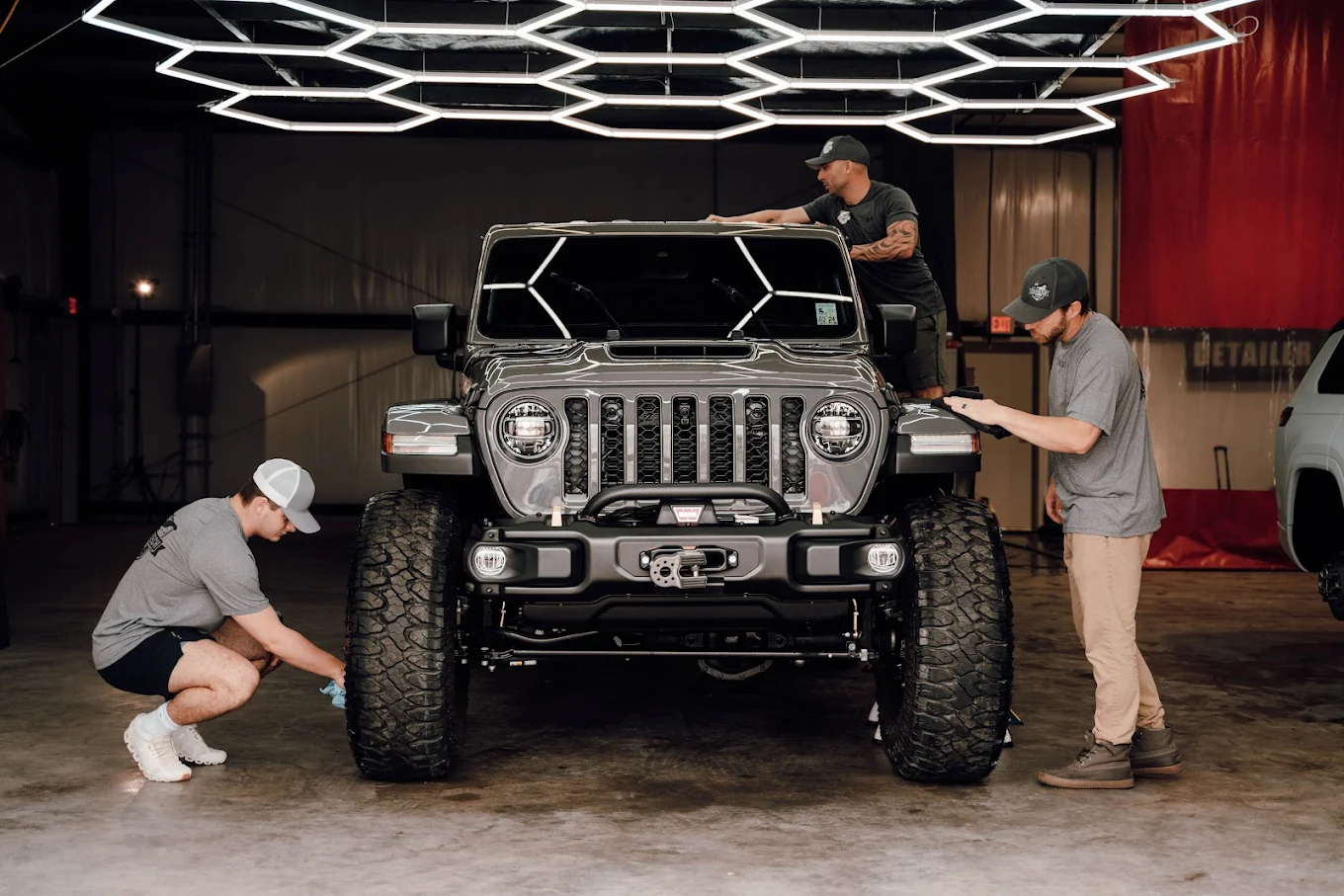
Shops like Kleentech Detailing LLC that shape their process around our moisture and heat show how much method matters. The right plan, the right prep, and the right expectations turn ceramic coating from a buzzword into a lasting improvement. Whether you are thinking about car detailing New Orleans for a daily driver, a boat ceramic coating New Orleans project before summer runs, or a light RV detailing New Orleans refresh before a cross country trip, the same principles guide the result. Evaluate, correct, protect, and maintain. The payoff shows up week after week every time the hose comes out and the water slides off like you just drove out of a showroom.
